
A Beginner's Guide to Container Gardening on a North-Facing Balcony
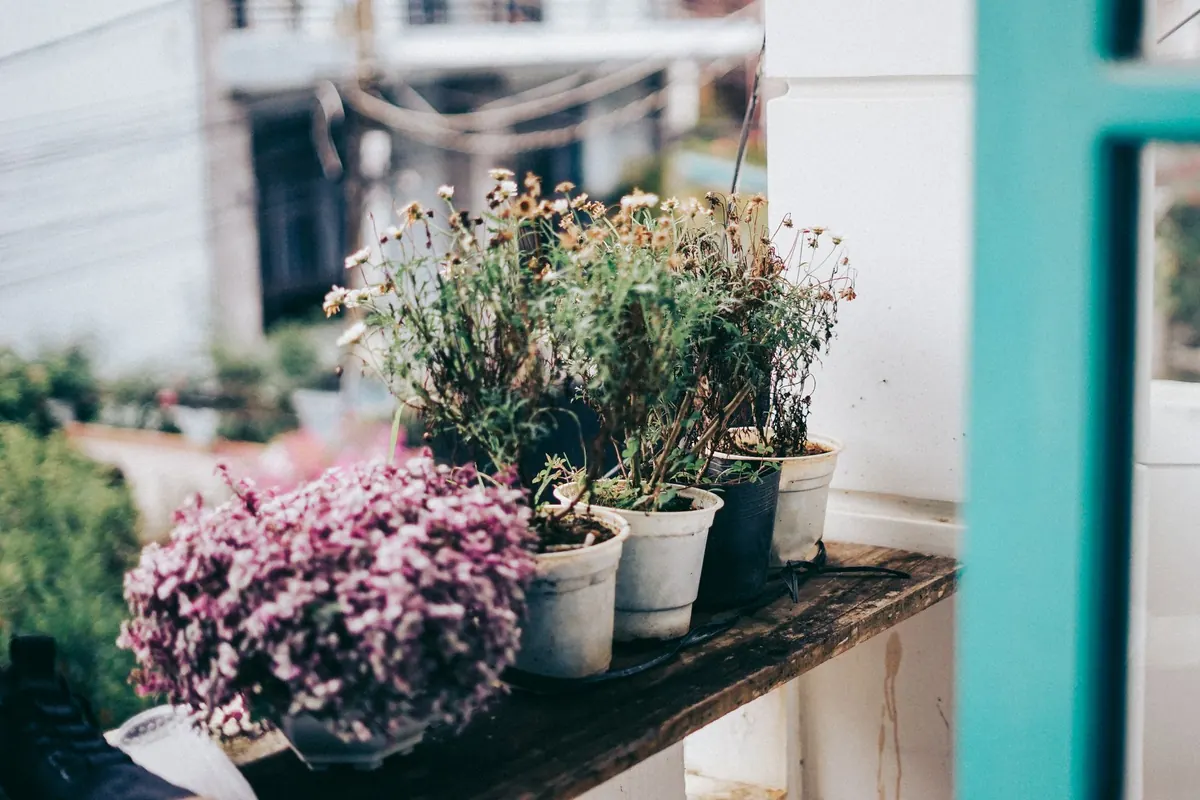
A north-facing balcony can feel like the poor relation of the gardening world. No baking midday sun, often a steady breeze, and pots that seem to dry out the moment you turn your back. Yet shade is not a sentence to bare soil. Many of the easiest, most rewarding container plants come from woodland edges and cool kitchen gardens. Once you work with the conditions rather than against them, a north-facing balcony becomes a genuinely useful space: fresh leaves for sandwiches, herbs by the door, and flowers that last longer because they are not scorched by heat. The trick is to choose plants that suit the light, shelter them from wind, and stay on top of watering.
Read your light before you buy a single plant
A north-facing balcony rarely means darkness. It usually means no strong direct sun, with brighter indirect light and perhaps a sliver of early morning or late evening sun at the ends of the day. Spend a day watching. Where does the light fall? Is there a pale wall that bounces brightness back? Do neighbouring buildings cast deep shade after lunch? These details matter more than the compass direction alone. If your balcony gets two hours of gentle morning sun, you can grow more than you might expect. If it sits in deep shade all day, stick to foliage and shade-loving edibles. Light-coloured pots and pale gravel mulch can make a dim corner feel brighter, and they help keep roots cooler in summer.
Crops that earn their place in shade
The best edibles for a north-facing balcony are those grown for leaves, stems or quick roots rather than sun-ripened fruit. Tomatoes, peppers, courgettes and aubergines need direct sun and warmth; in deep shade they will sulk, stretch and disappoint. Leave them for a south-facing windowsill or grow them elsewhere. Instead, try:
- Salad leaves: lettuce, rocket, mizuna, mustard greens and corn salad. Sow little and often for a cut-and-come-again supply.
- Leafy greens: spinach, chard, kale and pak choi. They tolerate cool conditions and keep producing if you harvest outer leaves.
- Herbs: mint, parsley, chives, coriander, chervil and lemon balm. Most prefer some brightness, but they manage in light shade.
- Roots and alliums: radishes, spring onions and beetroot for leaves and small roots. Keep the compost consistently moist for tender radishes.
- Peas and broad beans: if you have a brighter spot, dwarf peas can crop in light shade. Give them a sturdy support and protect from wind.
If you have a few hours of sun, add alpine strawberries. They are small, generous and happy in pots.
Flowers and foliage that thrive out of the sun
Shade gardens are often richer in texture than colour, and that is no bad thing. Use foliage as the backbone, then thread through flowers that prefer cool conditions.
Reliable perennials and shrubs
Ferns, hostas, heucheras, tiarellas and Japanese anemones all enjoy a north-facing spot. Sarcococca (sweet box) gives glossy evergreen leaves and tiny winter flowers with a powerful scent. Skimmia and Japanese maple work well in larger containers, though maples need wind protection. Ivy, lamium and vinca will trail over pot edges.
Annuals and bulbs for colour
Violas, pansies, impatiens, begonias, fuchsias and lobelia cope with shade, especially if they get bright indirect light. For spring, plant snowdrops, daffodils, bluebells and cyclamen in layers under the soil. Deadhead regularly to keep flowers coming.
Tame the wind before it tames your plants
Wind can do more damage on a balcony than shade. It dries leaves, snaps stems, topples pots and makes watering a constant battle. You cannot stop the breeze, but you can reduce its impact. Choose pots with a wide base and a low centre of gravity; heavy glazed or terracotta pots are more stable than tall plastic ones. Raise them on pot feet so drainage holes do not sit in water, and group pots together to create a mutual windbreak. A trellis with mesh or a slatted screen filters wind better than a solid panel, which can act like a sail. Secure pots with brackets if your balcony design allows, and never leave loose lightweight containers on a railing. Choose plants with flexible stems, such as grasses, ferns and trailing ivies, and avoid tall, top-heavy specimens. If a gale is forecast, move smaller pots into a corner or against the wall.
Water small containers successfully
Small pots dry out fast, even in shade, because wind and root growth use up moisture. The simplest solution is to use the largest containers you can fit. A 20–30 litre pot holds moisture far better than a 5 litre one and gives roots room to spread. Use a peat-free multipurpose compost mixed with a handful of horticultural grit or perlite for drainage. Cover the surface with a mulch of bark chips or gravel to slow evaporation.
A daily routine that works
Check pots every morning by pushing a finger 2–3cm into the compost. If it feels dry at that depth, water thoroughly until it runs from the drainage holes. In summer, you may need to water again in the evening, especially for leafy crops. Water in the morning when you can, so foliage has time to dry before night and fungal problems are less likely. Saucers can help in hot weather, but empty them after an hour or two; sitting in water is as harmful as drying out. Self-watering containers or a simple drip system are worth considering if you work away from home.
Feeding and refreshing
Compost nutrients run out after a few weeks. Add a slow-release feed at planting, then use a liquid tomato feed or general-purpose organic feed every week or two for hungry crops. Herbs such as rosemary and thyme prefer leaner conditions, so feed them less.
Planting, harvesting and keeping pots healthy
Start with clean pots and fresh compost. Put a piece of mesh over each drainage hole to stop compost washing out, then fill one-third with compost. Position your plant so the top of its rootball sits just below the rim, fill around it, and firm gently. Water well and let it settle. For salads, sow seed thinly in shallow rows and thin seedlings to give leaves room. Harvest outer leaves first, or cut a whole row of rocket about 2cm above the compost; it will regrow. Check plants weekly for slugs, snails, aphids and vine weevil grubs. Good airflow and not overcrowding prevent many problems. Remove yellow leaves and dead flowers. At the end of the season, refresh the top 5cm of compost or repot into fresh compost for another year.
A simple starter plan for a north-facing balcony
If you are not sure where to begin, start with three pots. One large pot for cut-and-come-again salad leaves and chard. One medium pot for mint, parsley and chives. One pot for a shade-loving flower such as a fuchsia, a hosta or a mix of violas and trailing ivy. Place them where they get the brightest light, group them to shelter each other, and check the compost every morning. Add a small windbreak if the balcony is exposed, and keep a watering can nearby so the job is easy. As you learn how your balcony behaves through the seasons, you can add dwarf peas, alpine strawberries or a scented winter shrub. A north-facing balcony will never be a tomato farm, but it can be lush, productive and quietly beautiful.
Photo: Nghia .8pm / Pexels