
Autumn Garden Checklist: 12 Jobs to Do Before the First Frost
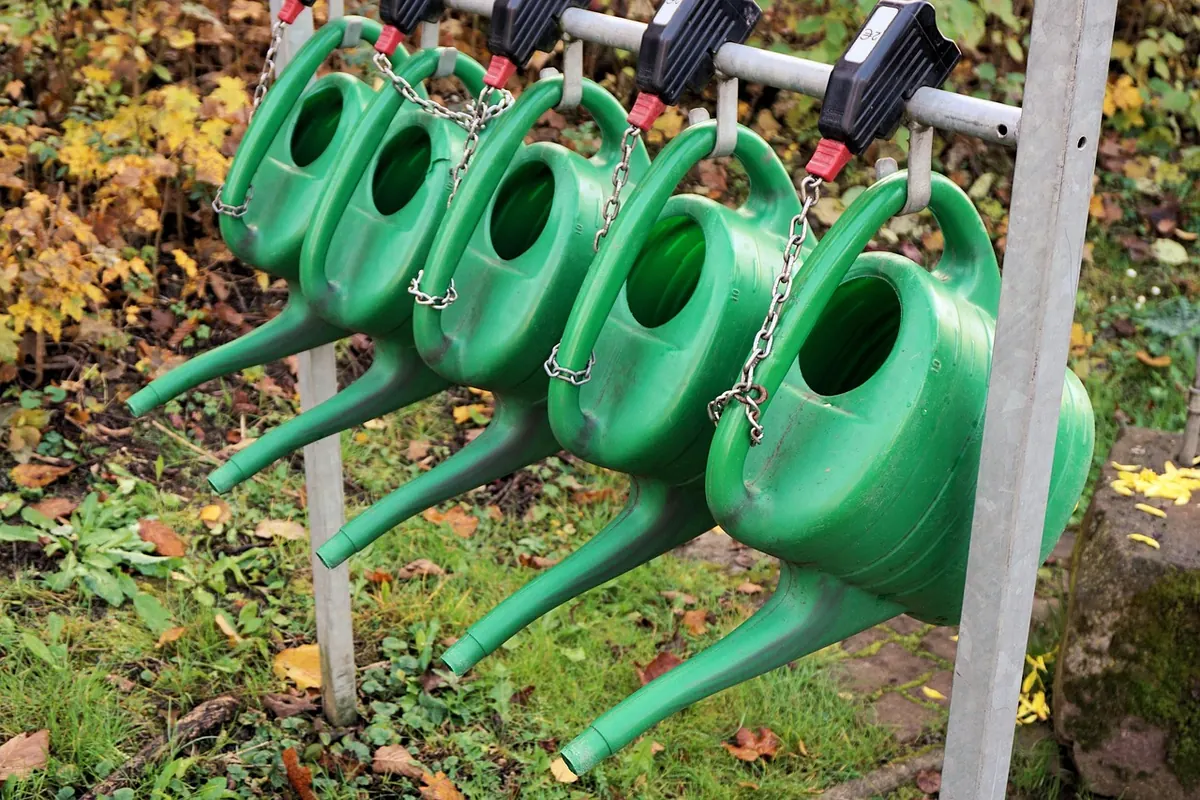
Autumn has a way of stretching out and then suddenly closing in. One morning the lawn is white, the dahlias have turned black and the last courgettes are slush. Most of the work that saves you trouble in spring can be done in a few dry afternoons — the trick is doing it in the right order, starting with anything living that will not survive a cold night.
First frost dates vary enormously. A sheltered garden in Cornwall might not see one until December, while an inland plot in Scotland can be caught in September. Watch your own local forecast rather than the calendar, and treat a clear, still night with a falling temperature as the warning sign.
Protect Tender Plants Before the Cold Bites
Move pots under cover. Citrus, olives, pelargoniums, fuchsias, agapanthus and tender succulents should be under glass or indoors well before night temperatures drop to around 5°C. Clean the glass first so they get as much light as possible, and check the pots for vine weevil grubs and slugs as you move them. Cut back on watering once plants are inside — cool, damp compost is the quickest way to lose a plant to rot over winter. While you are at it, take cuttings of anything you would hate to lose: pelargoniums, fuchsias and salvias root easily in small pots of gritty compost on a bright windowsill.
Lift what you cannot move. Dahlias, cannas and begonias are far safer out of the ground. Leave them until the first light frost blackens the foliage, then cut the stems back to about 10cm, lift the tubers with a fork, shake off the soil and let them dry upside down for a day or two. Store them in boxes of barely damp compost or vermiculite in a cool, dark, frost-free place, and check them once a month, removing anything soft or mouldy before it spreads.
Wrap and mulch what has to stay put. Tie the fronds of a tree fern upright around the crown and pack the centre with straw or fleece. For a banana, cut the leaves back and wrap the stem in hessian or fleece. A dry mulch of bark or straw over the crowns of penstemons, agapanthus and other borderline perennials is cheap insurance. Hold off wrapping until cold weather is actually forecast — fleece and plastic trap damp, and a mild, wet November can do more damage than the frost.
Clear Beds, But Don't Strip Them Bare
Pull spent crops and annuals. Tomato plants, courgettes, runner beans, sweet peas and tired bedding all come out now. Healthy material goes on the compost heap; anything with blight, mildew or clubroot goes in the bin or the council green waste, not back on the bed. Leaving diseased foliage lying about is how problems overwinter.
Cut back selectively. You do not need a pristine border. Seedheads of teasel, echinacea, sedum and alliums feed birds through the winter and hold structure when everything else has collapsed. Cut down only the plants that will flop, smother their neighbours or turn to slime. Hollow stems left standing are useful shelter for insects, so resist the urge to tidy every last thing.
Wash, dry and store your pots. Empty spent compost onto borders or into the compost bin, scrub terracotta and plastic pots, and stack them somewhere dry. Terracotta left full of wet compost will crack in a hard frost, and clean pots are one less job in February.
Mulch, Feed the Soil and Cover Bare Ground
Mulch your borders. Wait until the soil is damp after rain, then spread 5–8cm of well-rotted manure, garden compost or leaf mould over the surface, keeping it clear of stems and crowns. A winter mulch suppresses weeds, feeds worms and protects roots from freezing and thawing. On heavy clay it also improves structure as it works its way down. Never mulch onto dry soil or pile it against trunks — you are asking for rot and dead bark.
Sow a green manure on any vegetable bed that will sit empty until spring. It covers bare soil, stops nutrients washing away and can be dug in later:
- Field beans and grazing rye: hardy, sown in autumn, dug in during spring.
- Phacelia: killed by frost, leaving a protective mat on the surface.
- Mustard: quick to establish, but skip it where clubroot has been a problem.
Plant Spring Bulbs — and Garlic
Get bulbs in the ground. Daffodils, crocus, hyacinths, snowdrops and alliums are happiest planted in early to mid autumn, while tulips are traditionally left until November, which is thought to reduce trouble with tulip fire. As a rule of thumb, plant each bulb at three times its own height. Tip them into the soil in loose groups rather than single soldiers in a row; a crowded clump always looks better than a spaced-out line.
Squirrels are the main thief. Lay chicken wire or mesh just below the surface over the planting area, or plant in pots with a layer of grit on top. If you want colour in containers, layer them lasagne-style: large daffodil bulbs at the bottom, tulips in the middle, crocus or muscari above, all in one deep pot with drainage crocks and gritty compost.
Plant garlic and autumn onion sets. Push garlic cloves into well-drained soil, pointed end up, about 15cm apart, and set autumn onions in the same way. On heavy, wet clay, plant both in raised beds or deep pots so the roots never sit in water. Mark the rows with a label, because you will not remember where they are by February.
The Lawn, the Leaves and the Tool Shed
Give the lawn its last cut. Raise the mower blade a notch and avoid cutting when the grass is frosted or waterlogged. Rake leaves off regularly — a thick, wet layer smothers grass and encourages disease — and mix in an autumn lawn feed if your turf is thin.
Turn leaves into leaf mould. Fill old compost bags or a wire bin with damp leaves, punch a few drainage holes in bags, tie them up and leave them behind the shed. Oak, beech and hornbeam break down into the best crumbly leaf mould; horse chestnut and evergreen leaves are slower, so shred them first or add them to the compost heap.
Clean tools and protect the plumbing. Sharpen secateurs, hoes and shears, wipe metal with an oily rag
Photo: webandi / Pixabay